

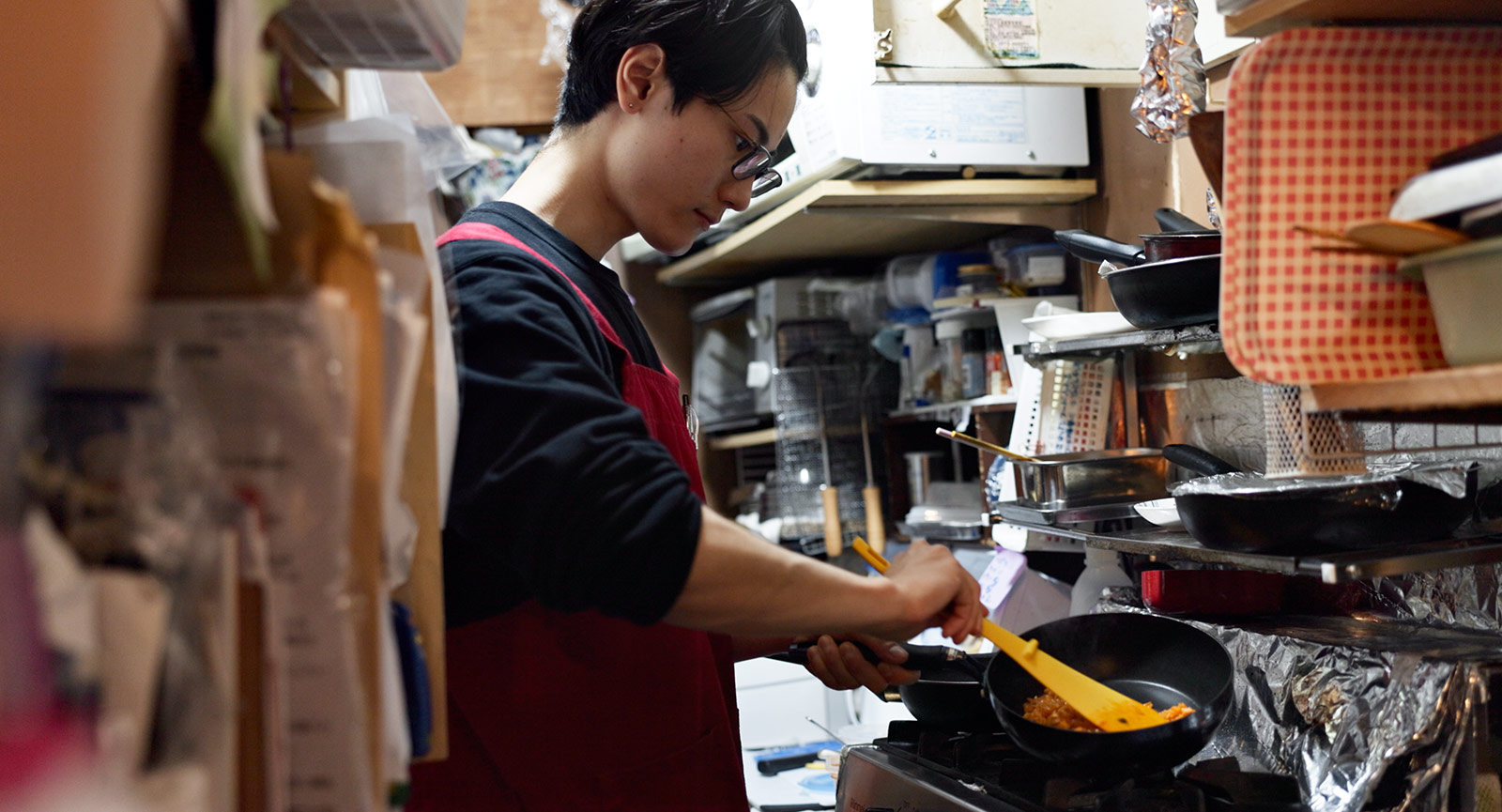
Why consumers are seeking real people, real places, & real experiences.
In a world of AI, algorithms, and automation, how do brands demonstrate that there are real people behind food?
Think about the last product launch your team worked on. How much time was spent selecting ingredients, optimizing flavor or evaluating production requirements? Now consider a different question: what would help consumers trust the story behind it once it reached the shelf?
As technology shapes more of daily life, trust is playing a larger role in how people evaluate the foods they buy. They want ingredients they can recognize, connections to where food comes from, and brands that show the human touch behind what they make.
These ideas sit at the center of what we call The Real World: a consumer shift towards prioritizing real ingredients, real people, and real experiences. Even with access to more information, content, and digital experiences than ever before, that abundance doesn't necessarily create trust.
Consumers are Looking for Proof, Not More Promises
Consumers are navigating a world increasingly shaped by AI, algorithms, and automation. As technology becomes more integrated into daily life, many are placing greater value on products, experiences and promises they can trust.
The Real World reflects this tension. American confidence in the safety of the U.S. food supply has dropped to an all-time low, and consumers distrust many of the products, brands and messages they encounter today. At the same time, they are drawn to foods connected to real ingredients, real people and real places.
1/3 consumers globally have concerns of AI recommendations being biased or misleading.
For food and beverage manufacturers, that changes the conversation.
What This Means for Product Development
For manufacturers, this creates an opportunity to connect product development decisions more closely to the promises consumers care about. As trust becomes harder to earn, the decisions made throughout development can help reinforce the human touch consumers are seeking.
Questions worth asking:
- What aspects of this product demonstrate the human touch consumers are seeking?
- How do ingredient decisions reinforce the promises this product makes?
- How does this product connect consumers to the people and places behind the food?
Close to 40% of consumers say that a human touch is still required for ingredient selection, even with AI involved. Manufacturers that consider these questions early have an opportunity to align product development decisions more closely with evolving consumer expectations and reinforce the trust consumers are looking for.
Turning Consumer Expectations Into Product Decisions
As consumers look for products that feel more real and trustworthy, manufacturers need to make sure development decisions reflect that.
At Kalsec, our people work side by side with our customers to solve real product challenges. Our sensory, flavor and culinary teams help evaluate ingredient options, work through formulation issues and find solutions that meet technical needs while creating products people want to buy.
By combining expertise in taste, color and food protection, we connect customers with ingredient solutions that are grounded in care, collaboration and practical know-how. The result is stronger products that are built to perform and made to connect with consumers.
The Real World is changing how consumers evaluate food. Manufacturers have a real opportunity to respond.
Frequently Asked Questions
Question: Can brands use technology without losing consumer trust?
Answer: Technology can support consistency, safety and scalability, but it needs to be balanced with transparency and authenticity. Consumers are more likely to trust products when they understand how and why technology is used, especially when it enhances rather than replaces traditional practices or craftsmanship.
Question: What does it look like to reinforce a product’s promises through ingredients?
Answer: Ingredient choices can signal quality, sourcing and intent. When ingredients align with a product’s positioning, whether that’s clean label, sustainability or functionality, they help reinforce credibility and make product claims feel more tangible.
Question: How can manufacturers show the people and processes behind food innovation?
Answer: Highlighting craftsmanship, sourcing stories and the expertise behind the product can help make innovation more relatable. Even in highly technical processes, emphasizing care, skill and intention can create a stronger connection with consumers.
Question: How do brands build trust beyond what’s written on the label?
Answer: Trust is shaped by the full product experience, including taste, consistency, transparency and brand behavior over time. Clear communication, reliable performance and alignment between messaging and delivery all contribute to stronger consumer confidence.
Question: How can Kalsec support manufacturers in building trust through innovation?
Answer: Kalsec supports manufacturers with real, naturally sourced ingredient solutions and direct access to dedicated sales partners and technical experts who work alongside them to solve formulation challenges. We work better, together. We have always sourced from nature, and always will. That commitment helps manufacturers advance clean label initiatives, meet consumer expectations, and create products that deliver trusted flavor, color, and protection.
