

Why taste alone no longer defines success
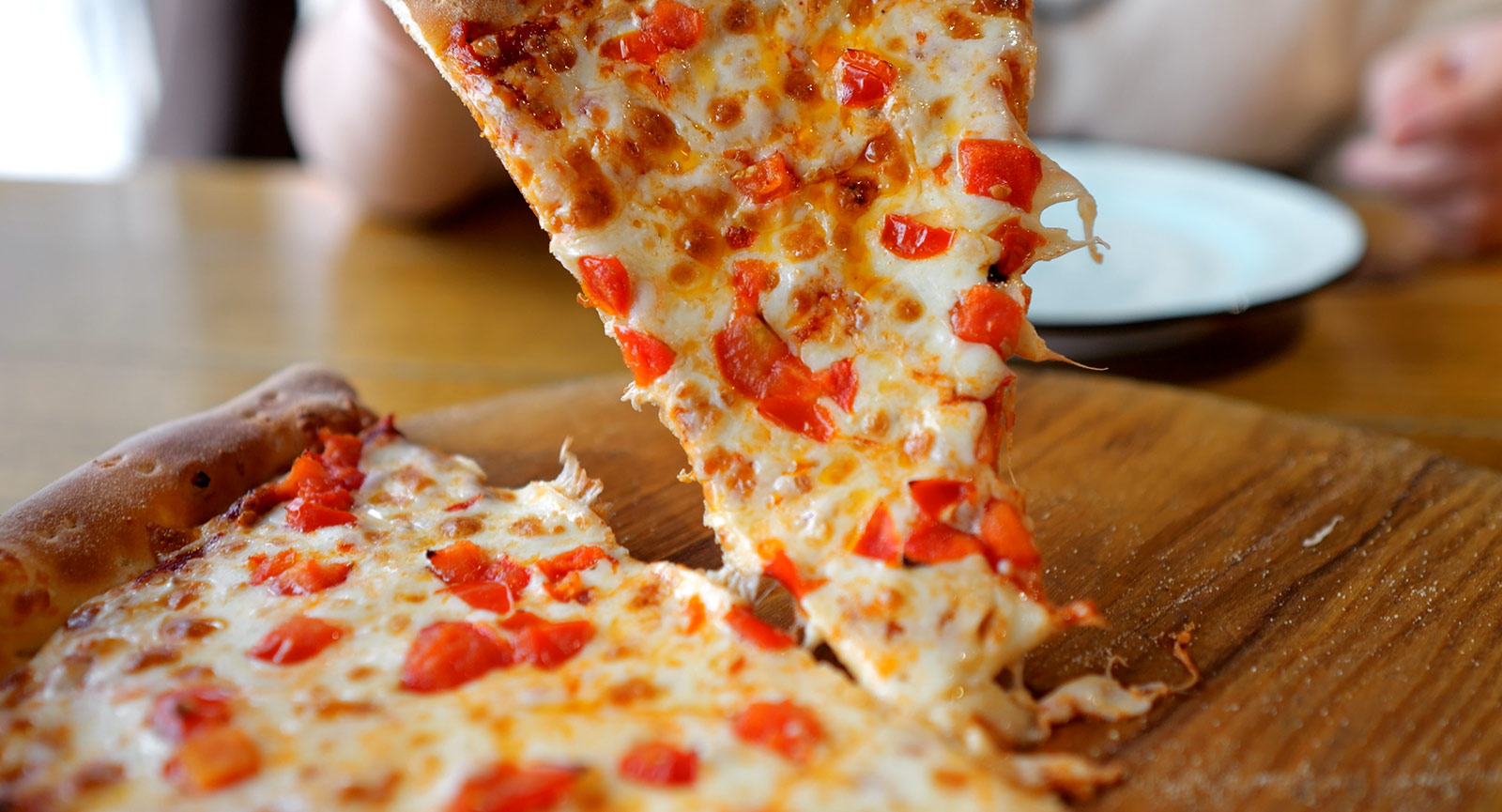
Take a moment and picture the foods that stay with you. You don’t just remember the flavor, you recall the crunch, the aroma that opened the experience, the color that drew you in, the environment that you were in, the people that you were with.
In a world shaped by screens, consumers aren't just looking for products that taste good, they're seeking moments that pull them back into the present through sound, aroma, texture, color, and interaction. Food has become one of the few everyday experiences that can fully engage the senses and create a tangible connection to the moment.
This is the shift behind Ignite the Senses: a growing expectation that food does more than satisfy; it immerses.
Today, consumers aren’t evaluating products by taste alone. They’re responding to how a product:
- Looks before the first bite
- Feels as they interact with it
- Releases aroma and builds anticipation
- Delivers texture with each bite
- Sounds when it crunches, crackles or sizzles
When fused together, these elements create a complete, memorable, and desired eating experience.
Why Sensory Experiences Are Shaping Consumer Choice
As you consider how consumers are making decisions, you may notice a clear pattern: products that activate multiple senses tend to stand out, visually, emotionally, and experientially.
This isn’t accidental.
Consumers are shifting toward experiences that feel tangible and immersive, favoring products that go beyond convenience and create an emotional response rather than simply delivering a functional benefit.
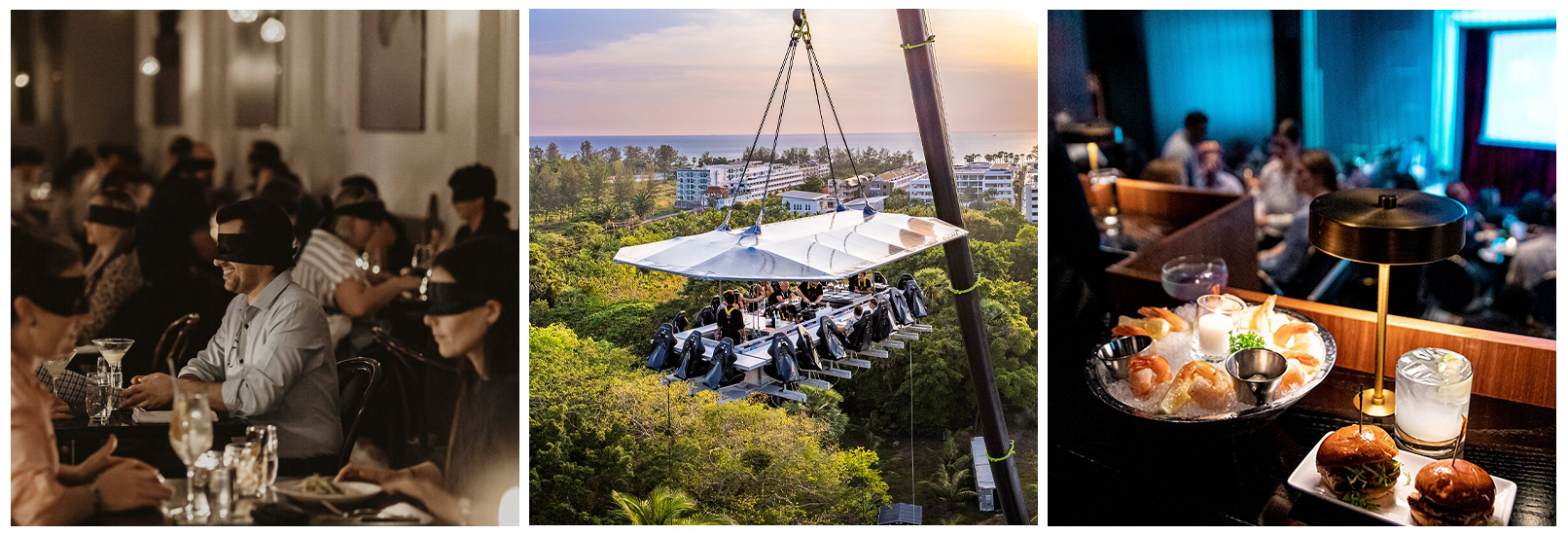
When multiple senses are engaged, perception intensifies. Flavor feels fuller. Texture becomes more satisfying. Color reinforces expectation. And the overall experience becomes something consumers want to return to, and share.
For product developers and marketers, this creates a powerful opportunity: designing food not just for taste, but for impact.
Key Trends Shaping Multisensory Food Innovation
As you look across today’s innovation landscape, you can see how sensory design is becoming more intentional, and more strategic.
Consider how each element can be used to shape perception:
- Aroma as part of flavor design: What consumers smell sets expectations before tasting even begins, enhancing perceived flavor and depth.
- Color as a signal and experience driver: Bold, vibrant visuals instantly communicate flavor cues and draw attention in crowded environments.
- Interactive and customizable formats: Products that invite mixing, layering, or personalization create a sense of involvement, turning consumption into participation.
- Emotion-driven design: Flavor and sensory cues can trigger nostalgia, comfort, or surprise, deepening connection and memorability.
- Sound as a sensory cue: Sound shapes perception, by signaling freshness, quality and satisfaction, making auditory cues an important part of sensory design.
- Texture as a differentiator: Layered, crispy, smooth, or unexpected textures create contrast and keep consumers engaged from first bite to last.
34% of consumers globally describe indulgent food and drink experiences as "rich sensory enjoyment," citing elements such as intense flavor, creamy texture and pleasing aroma
When these elements are intentionally combined, you move from creating a product… to designing an experience.
Turning Multisensory Design Into Scalable Solutions
Creating a truly multisensory product requires more than optimizing individual components. It requires alignment, where taste, aroma, sound, color, and texture work together seamlessly.
At Kalsec, we work with manufacturers to bring this alignment to life, translating sensory strategy into scalable, market-ready solutions.
Our integrated approach combines:
- Classics to craveable flavors that deliver memorable tastes
- Natural color solutions that enhance visual appeal
- Food protection that preserves quality and consistency
A unified partner helps you simplify development, speed launch, and stay consistent at scale.
The brands that lead in this space will be the ones that design with the full sensory experience in mind. Because when you think about your next product, the key question becomes: what will consumers notice first, and how will those sensory moments shape the way they remember the experience long after the last bite?
Frequently Asked Questions
Question: What sensory elements influence consumer perception most?
Answer: Flavor remains the top priority, but aroma, sound, texture and visual appeal all play a growing role in how consumers evaluate food experiences.
Question: Why are texture and crunch becoming more important in food innovation?
Answer: Layered and unexpected textures help create contrast and excitement, making products feel more engaging and differentiated.
Question: How can manufacturers use color to enhance food experiences?
Answer: Color helps shape first impressions, reinforce flavor expectations and increase visual appeal before consumers ever taste a product.
Question: What role does aroma play in multisensory food design?
Answer: Aroma builds anticipation and enhances flavor perception, helping products feel more immersive and satisfying.
Question: How can brands design products that consumers remember?
Answer: Products that combine sensory elements like texture, aroma, sound, color, and flavor are more likely to create memorable and emotionally engaging experiences.
Question: How can Kalsec support multisensory product innovation?
Answer: Kalsec helps manufacturers integrate flavor, aroma, color and sensory design into scalable solutions that support immersive food experiences and product differentiation.
